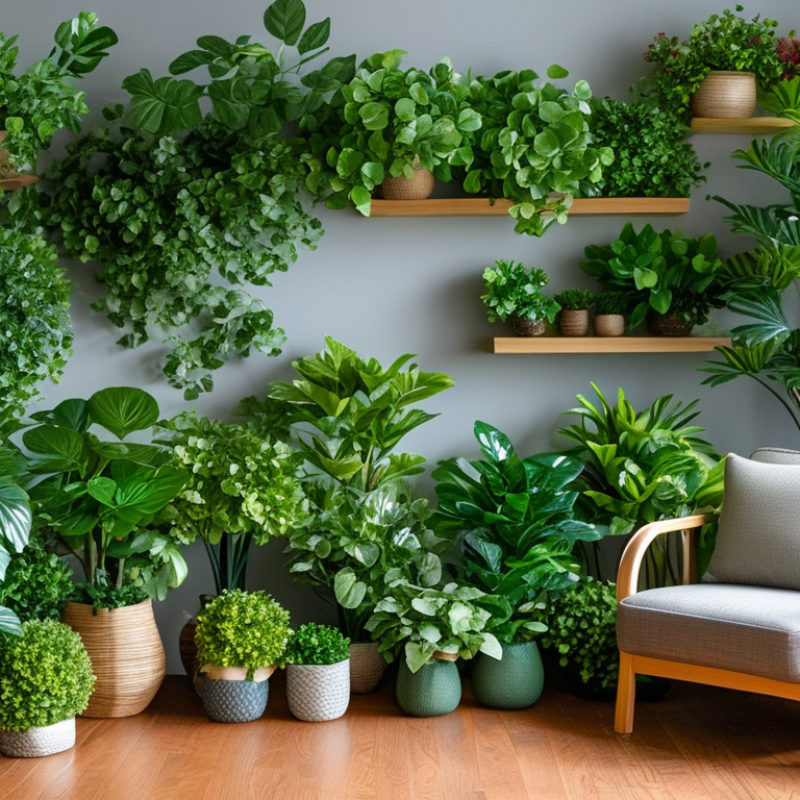
How to Choose the Best Artificial Green Plants for Your Space?
Choosing the best Artificial green plants for your space can be daunting. According to Dr. Jane Flora, a recognized expert in interior design, “Selecting the right artificial green plant enhances your environment.” With endless varieties available, understanding your space's needs is vital.
Artificial green plants are often low-maintenance options. However, not all are created equal. Quality can vary significantly, leading to choices that may not fit your aesthetic. Take time to explore textures and colors that resonate with you.
Placement matters too. Some spaces need bold statements, while others thrive on subtlety. Reflect on how light and surrounding decor influence your choice. Engage with your surroundings. Bringing in artificial green plants requires careful thought, but the right picks can transform a room beautifully.
How to Assess the Size and Scale of Artificial Green Plants for Your Space
Choosing the right size and scale for artificial green plants is crucial in enhancing your space. A plant that’s too big can overpower the room, while one that’s too small may get lost. To create balance, consider the height of your ceilings and the layout of your furniture.
When assessing what fits best, visualize the arrangement. Place a rug or a table where you might use the plant, and observe how each size interacts with your existing decor. Pay attention to the proportion; a large plant can anchor a corner, while smaller plants can complement shelves or window sills.
Tips: Measure your space before purchasing. A tape measure can help. Keep in mind how light affects your choices, too. Bright spaces may benefit from larger, leafy plants, while darker spots can work with smaller varieties. Think about the overall aesthetic. Aim for harmony, but don’t shy away from mixing sizes for interest. An eclectic display may lead to reflections on your personal taste and style.
Material Quality: A Comparative Analysis of Different Artificial Plant Fabrics
When selecting artificial green plants, material quality is paramount. Different fabrics can significantly affect both appearance and durability. For instance, polyester is a common choice due to its resilience and vibrant colors. It simulates leaves convincingly, yet it may fade over time if exposed to direct sunlight. You need to weigh that against its affordability and accessibility.
Another fabric option is silk. Silk plants offer a more natural look, with intricate detailing that catches the eye. However, they tend to be more fragile than polyester. They require careful handling and dusting. This makes them less suitable for high-traffic areas. Consider how you will use the plants in your space when deciding on fabric quality.
Additionally, some materials incorporate UV resistance. This feature is beneficial for plants placed near windows. It can help to maintain color integrity longer. However, these plants might come at a higher price. Reflect on your budget while thinking about longevity. Careful selection will ensure that your artificial plants enhance, rather than detract from, your space.
Determining the Best Color Palette: Trends in Artificial Plant Design
Choosing the right color palette for artificial green plants can significantly enhance your space. Soft greens and earthy tones often create a calming atmosphere. Trendy colors like deep navy or warm terracotta can provide striking contrasts. When selecting colors, consider how they complement your existing decor.
Look for shades that mimic the natural variations found in real plants. Consider what feels authentic to you. A monotone green might seem safe, yet a mix of hues showcases richness. Darker greens can add depth, while lighter shades can freshen up a room. Balance is essential; too many vibrant colors can overwhelm the senses.
Real-life scenarios may challenge your choices. You might wonder why certain plants just don't fit. Reflect on your space's lighting and layout. A plant that looks good in a store might not suit your home. Examine your preferences thoroughly, as personal style varies. Embrace the thought process in selecting artificial plants that truly resonate with you.
Understanding Maintenance Needs: Choosing Low-Maintenance Options
When selecting artificial green plants, maintenance is key. Many people prefer low-maintenance options. They save time and effort. This allows you to enjoy greenery without the hassle.
Tips: Choose plants made from high-quality materials. Some plants require minimal cleaning. Dust can accumulate over time. A simple wipe with a cloth can keep them looking fresh. You can also use a soft brush for delicate leaves.
Consider the placement of your plants. Spaces that get direct sunlight may require more regular dusting. Aim for areas that are less exposed. This reduces cleaning frequency. Remember, even low-maintenance plants need occasional attention.
Tips: Monitor the humidity in your room. Some artificial plants can fade in overly dry conditions. A simple humidifier can help. Additionally, think about plant styles that fit your lifestyle. Larger pieces may require more space and care compared to small arrangements. It’s important to find the right balance.
Evaluating Cost vs. Aesthetic Value: Making Smart Investment Choices
When selecting artificial green plants for your space, consider both cost and aesthetic value. A 2022 report by the National Gardening Association found that 70% of homeowners prioritize appearance over price. However, investing heavily in aesthetics may not always yield long-term satisfaction. It's vital to balance visual appeal with budget constraints.
Research indicates that high-quality artificial plants can range from $20 to $200, depending on size and realism. Many people overlook lower-cost options, assuming they lack quality. Yet, options priced under $50 can still enhance a space. For instance, a simple, well-crafted fern can provide charm without breaking the bank.
Also, evaluate durability against upfront investment. Some cheaper materials fade quickly or lose their shape. In contrast, more expensive options often offer longer life. Thus, the initial cost may detract from long-term value. Consider your lifestyle and environment. If your space is sunny, cheaper plants may not withstand the sun’s intensity. Balancing these factors can lead to a more satisfying purchase.