How to Choose the Right Silicone Seal in 2026?
Choosing the right Silicone Seal in 2026 requires more than comparing colors, prices, or curing speed. A neat bead can still fail.
The correct sealant must match the joint, substrate, movement, temperature, moisture, and expected service life. A bathroom corner faces constant water and cleaning chemicals. An oven door demands stronger heat resistance. A glass façade may experience sunlight, wind pressure, and repeated expansion. These conditions are not interchangeable.
In practical installation work, I have seen expensive silicone fail because the surface was dusty or poorly prepared. The product was not always the main problem. Compatibility was overlooked. Before selecting a Silicone Seal, check the technical data sheet, adhesion guidance, curing conditions, and movement capability. Independent test reports and recognized standards can provide useful evidence, but they should not replace site-specific judgment. Manufacturer support also matters when the application is unusual or safety-critical.
Small details make a large difference. Clean the joint thoroughly. Confirm the seal width and depth. Use a compatible backing material when required. Test adhesion on a hidden area first. Allow adequate curing time before exposing the joint to water or load.
There is no universal best seal.
That answer sounds simple, perhaps too simple. In 2026, hybrid products, low-emission formulas, and specialized grades may offer better performance, but marketing claims still need verification. A reliable choice balances technical evidence, installer experience, project conditions, and long-term maintenance. This guide explains how to evaluate those factors clearly, while acknowledging that real-world performance can never be judged from a label alone.
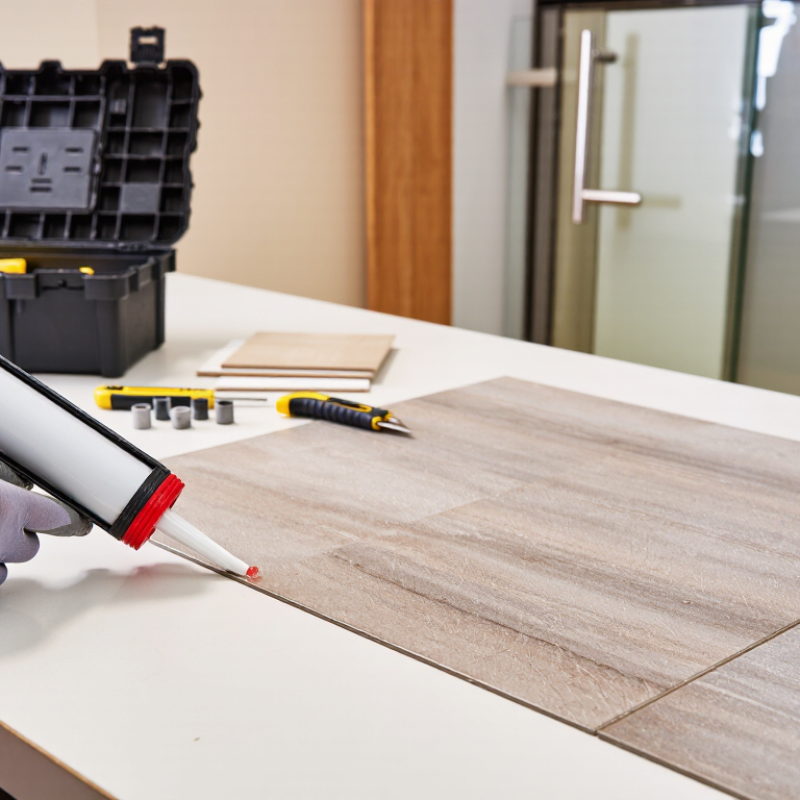
What Is a Silicone Seal and Where Is It Used?
A silicone seal is a flexible barrier made from silicone polymer. It blocks water, air, dust, vibration, and sometimes chemicals between two surfaces. Unlike rigid metal or plastic parts, it remains elastic when temperatures change. This makes it useful around glass, concrete, aluminum, ceramic, and coated steel.
Its applications are broad. Builders use silicone seals around windows, curtain walls, bathrooms, kitchens, and expansion joints. Vehicle manufacturers place them around lamps, doors, windscreens, and electronic housings. Electronics assemblies also need thin silicone seals to resist moisture and vibration. A 2024 Grand View Research analysis estimated the global silicone sealants market at more than 5 billion US dollars in 2023, with continued growth through 2030. Construction and transportation remain important demand areas. These figures describe sealants, not every molded gasket, so the comparison is imperfect.
Choosing the right seal starts with the joint, not the product label. Measure the gap, movement, temperature, and surface condition. Neutral-cure silicone is often safer for sensitive metals and masonry. Acetoxy-cure silicone can suit some glass applications, but it may release acidic vapors during curing. Check technical data, service temperature, elongation, and adhesion testing. ASTM and ISO test methods can improve reliability, though laboratory results cannot reproduce every jobsite condition. A clean, dry surface matters. A beautiful bead can still fail. Sometimes, the overlooked detail is movement.
How to Choose the Correct Seal Shape and Size
Choosing the correct silicone seal begins with the groove, not the seal itself. Measure the groove width, depth, diameter, and corner radius with clean calipers. For an O-ring, match the cross-section to the groove depth and allow controlled compression. ISO 3601-1 provides recognized dimensional guidance for O-rings, helping reduce gaps and installation errors. A seal that looks slightly oversized may still fail if compression is excessive.
Shape matters under real movement. Use an O-ring for static joints, a lip seal for rotating shafts, and a U-shaped profile for pressure-driven applications. Silicone usually performs well across wide temperature ranges, but compound selection remains critical. ASTM D2000 classifications remind engineers to check temperature, fluid exposure, hardness, and tensile performance together. Market research published in 2024 also shows continued growth in industrial sealing demand, driven by automation and process equipment. That growth does not make every seal interchangeable.
Tips: Measure twice. Record the groove sketch. Check the actual medium and operating temperature. Avoid stretching an O-ring too far during fitting. A small twist can create a hidden leak path. In my experience, many failures begin with an incorrect groove measurement, not poor silicone. Still, field conditions can expose weaknesses that laboratory checks miss. Test the seal after assembly, especially when pressure cycles or vibration are present.
How to Choose the Right Silicone Seal in 2026?
How to Choose the Correct Seal Shape and Size
Use the application type and seal profile to establish an initial compression target. Static seals generally tolerate higher compression than dynamic seals, while round O-rings are commonly selected where uniform compression and simple installation are required. Final dimensions must also consider groove depth, gland fill, thermal expansion, pressure, tolerances, and the silicone compound’s hardness.
The ranges shown are typical engineering starting points for silicone and elastomer seal design. Confirm the final cross-section and groove dimensions against the applicable standard and the seal manufacturer’s technical data.
How to Compare Quality, Installation, and Service Life
How to Choose the Right Silicone Seal in 2026?
A quality silicone seal should match the joint, substrate, and exposure conditions. Check its movement capability, temperature range, curing system, and resistance to ultraviolet light. Do not judge quality by softness alone. A soft seal may handle movement well, but it can fail when poorly supported. Request technical data, batch information, and independent test results when available. Standards such as ISO or ASTM methods can make comparisons more reliable.
Installation often decides whether a good seal performs well. Surfaces must be clean, dry, and free from dust, oil, and loose coatings. Use the correct backer material and keep the joint depth consistent. Apply steady pressure, then tool the seal before skin formation. In field inspections, I have seen excellent material fail because installers rushed surface preparation. That mistake is easy to repeat. Follow the curing time, too. Early water exposure can weaken the bond.
Service life depends on movement, weather, chemicals, and building design. Compare expected performance under similar conditions, not only the advertised number of years. Inspect edges, corners, and areas exposed to standing water at regular intervals. Small cracks deserve attention. I once assumed a seal had reached the end of its life, but the real problem was substrate movement. A replacement alone would not have solved it. Keep installation records, product data, and inspection photos for future decisions.