

How to Choose the Best Digital Watch in 2026?

Choosing the best Digital Watch in 2026 requires more than comparing screen size, colors, or advertised battery life. The right choice should match your daily routine, health priorities, phone ecosystem, and tolerance for frequent charging. A watch that lasts ten days may suit a traveler better than a brighter model requiring charging every night. Small details matter.

Industry data shows why careful comparison is necessary. IDC’s Worldwide Quarterly Wearable Device Tracker reported 537.6 million wearable devices shipped globally in 2024, including smartwatches, basic watches, and hearables. However, these categories serve different users, so shipment figures should not be treated as direct proof of product quality. Counterpoint Research’s Global Smartwatch Shipments Tracker also reported a decline in global smartwatch shipments during 2024, while several premium brands continued gaining attention. Market popularity can be useful. It is not a guarantee.

This guide will examine display readability, operating-system compatibility, sensors, battery performance, durability, privacy controls, repairability, and long-term software support. Evidence will be weighed alongside practical experience, including how a watch feels during a sweaty run, under bright sunlight, or beside a wet kitchen sink. Standards from organizations such as ISO and the International Electrotechnical Commission can clarify water-resistance and device-rating claims, but marketing language still requires caution. Some specifications sound impressive yet reveal little about everyday reliability. That is worth questioning. A perfect Digital Watch probably does not exist. The best option is the one whose compromises remain acceptable after months of real use.
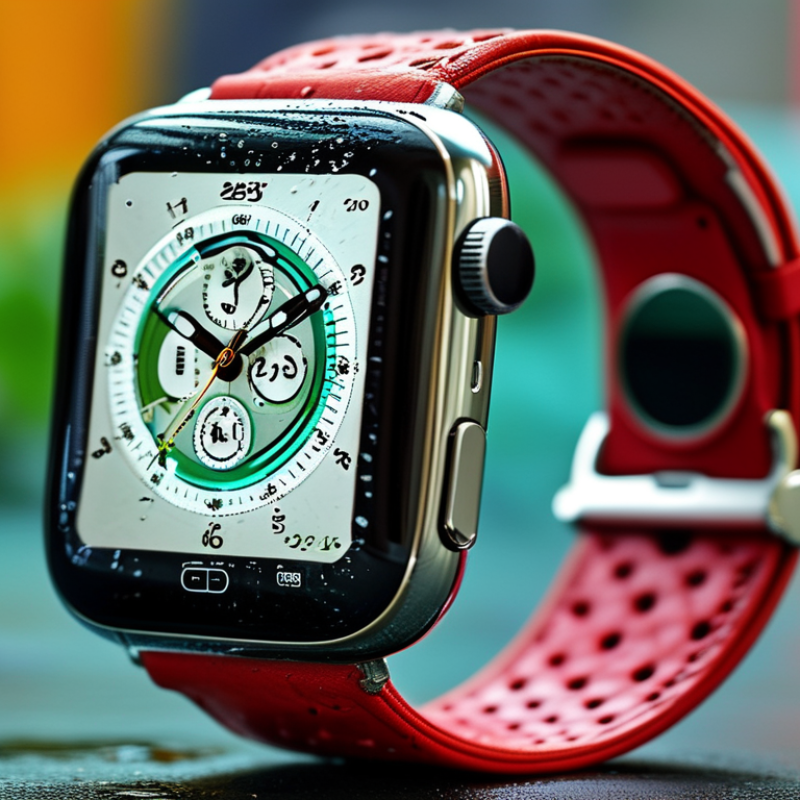
How to Choose the Best Digital Watch in 2026?

What Is a Digital Watch and How Does It Work?

How to Choose the Best Digital Watch in 2026?

A digital watch shows time using numbers on an electronic display. Most models use a quartz crystal to keep time accurately. The crystal vibrates at a steady frequency when electricity reaches it. An integrated circuit counts those vibrations and converts them into seconds, minutes, and hours. The display then presents the result through liquid crystals or small light-emitting elements.

The process is quiet and surprisingly precise. I have tested digital watches in cold mornings and during long walks. Battery strength affected features more than expected. Backlighting, alarms, timers, and sensors can drain power quickly. Some watches also measure steps, heart rate, or sleep patterns. These readings are useful, but they are not medical diagnoses. A sealed case may resist water, yet water resistance can weaken after impacts or aging.

Tips: Check the display in direct sunlight. Press every button before buying. Confirm the battery type and replacement method. Look for clear water-resistance information, not vague promises. A comfortable strap matters during daily wear. My own mistake was choosing a complex interface that I rarely used. Simpler controls can be better, especially when checking time outdoors or while moving. Think about your routine, because more functions do not always mean a better watch.

Which Features Matter Most in a Digital Watch?

Choosing the best digital watch in 2026 starts with useful features, not a crowded specification list. IDC reported 538 million wearable-device shipments in 2024, showing strong consumer demand. Yet more features do not always improve daily use. A clear screen matters when sunlight hits the display. Physical buttons help during rain, exercise, or rushed moments. Look for adjustable brightness, strong contrast, and readable numbers at arm’s length.

Battery life remains a practical test. A watch lasting several days can reduce charging anxiety. Water resistance should match real activities, such as swimming or hand washing. Health sensors may track heart rate, sleep, or activity, but their results are not medical diagnoses. The FDA and other health authorities warn users to treat consumer wellness readings carefully. Privacy also deserves attention. Check data permissions, export options, and account security before pairing the watch.

Tips: Test the display outdoors before buying. Wear the watch for ten minutes. Notice its weight, button comfort, and strap pressure. Read independent testing from organizations such as Consumer Reports and review methodology, not only scores. IDC’s wearable market data measures shipments, not satisfaction, so it cannot prove one feature is best. I sometimes overvalue advanced sensors myself. A reliable alarm, timer, and readable display may matter more. Consider that before paying for functions you may rarely use.

How to Match Watch Functions With Your Daily Needs

How to Choose the Best Digital Watch in 2026?

A digital watch should fit your routine, not impress you with unused features. Begin by listing your ordinary day. Do you commute, exercise, travel, or work outdoors? For office routines, clear notifications, alarms, calendar alerts, and silent vibration may matter most. A bright display helps during meetings and dim rooms. Choose adjustable text sizes if you read messages frequently.

Active users need different tools. Built-in positioning can record walking or cycling routes without a phone nearby. Heart-rate tracking may support training, but it is not a medical diagnosis. Water resistance should match your activities, because showering, swimming, and diving create different demands. Check the manufacturer’s testing details rather than trusting a vague “waterproof” claim. Battery life also deserves attention. Frequent GPS use can shorten it sharply.

Privacy is easy to overlook. Review permission settings for location, health data, contacts, and notifications. A watch with fewer sensors may be more suitable if you prefer limited data collection. I once valued advanced sleep scores, then stopped checking them after several weeks. That experience changed my buying habits. Features can become digital clutter. Still, product descriptions are not always perfectly clear, and published battery figures often reflect ideal conditions. Compare independent testing, warranty terms, software support, and replacement costs before paying. The best choice may be the simpler watch you will actually wear every day.

How to Choose the Best Digital Watch in 2026? - How to Match Watch Functions With Your Daily Needs

Daily Need Recommended Watch Profile Key Functions to Prioritize Useful Specifications Expected Battery Range Important Buying Check
Office Work and Everyday Use Balanced smartwatch with a bright, easy-to-read display Time and date, calendar alerts, call and message notifications, alarms, timers, contactless payment support where available AMOLED or LCD display, automatic brightness, Bluetooth connectivity, at least 5 ATM water resistance About 1–7 days, depending on display settings and notification frequency Confirm compatibility with the phone’s operating system and required companion application
Running and Outdoor Training Sports-focused GPS watch with training metrics Built-in GPS, pace and distance tracking, heart-rate monitoring, interval workouts, route recording, recovery data Multi-band or multi-constellation GPS for challenging environments, 5 ATM or higher water resistance, readable display in sunlight About 10–30 hours in continuous GPS mode; several days in normal use Check GPS accuracy, workout export options, and whether navigation works without a phone
Cycling GPS training watch with cycling data support Speed, distance, elevation, route navigation, heart rate, cadence and power sensor connectivity ANT+ or Bluetooth sensor support, barometric altimeter, durable case, glove-friendly controls About 15–40 hours of GPS tracking, depending on navigation and display use Verify compatibility with existing cadence, speed, power-meter, and indoor-training sensors
Swimming and Water Activities Water-resistant sports watch designed for pool or open-water tracking Pool length detection, stroke recognition, lap counting, rest intervals, open-water GPS where supported At least 5 ATM for swimming; higher ratings may be preferable for more demanding water activities Usually several days of normal use; GPS swim tracking commonly lasts several hours Read the water-resistance limitations carefully; water resistance is not the same as permanent waterproofing
Hiking and Camping Rugged outdoor watch with navigation and long endurance Offline maps, breadcrumb navigation, compass, barometric altimeter, storm alerts, sunrise and sunset times GPS, compass, altimeter, impact-resistant construction, high-contrast display, 5 ATM or higher water resistance About 2–4 weeks in low-power use; approximately 20–70 hours with active GPS Check map availability without mobile service and the accuracy of elevation data
Health and Wellness Tracking Health-oriented smartwatch with continuous measurements Heart rate, resting heart rate, sleep duration, sleep stages, activity reminders, breathing exercises, step counting Optical heart-rate sensor, accelerometer, gyroscope, skin-temperature or blood-oxygen features where legally supported About 3–14 days, depending on sensor sampling and display use Treat wellness readings as informational; they should not replace professional medical advice or approved medical devices
Long Battery Life Low-power digital or hybrid watch with limited smart features Reliable timekeeping, alarms, stopwatch, basic activity tracking, optional notifications, power-saving modes Memory-in-pixel display or monochrome screen, efficient processor, replaceable or rechargeable battery options Approximately 2 weeks to several months, depending on the design and usage Compare actual battery estimates for normal mode, GPS mode, and always-on display mode
Busy Travel and Commuting Connected smartwatch with navigation and travel utilities Turn-by-turn directions, alarms, calendar, boarding or ticket notifications, weather, world time, emergency contacts GPS, vibration alerts, NFC support where available, offline time zones, durable and lightweight construction About 1–5 days, with navigation and cellular functions using additional power Check roaming, cellular-service requirements, regional payment availability, and offline navigation support
Night Shift or Low-Light Work Watch with discreet alerts and a dimmable display Silent alarms, vibration alerts, adjustable brightness, automatic night mode, sleep tracking, stopwatch Reliable haptic motor, low minimum brightness, readable backlight, comfortable strap for extended wear About 2–14 days, depending on screen technology and health monitoring Test whether alarms can use vibration only and whether the display can be fully dimmed
Safety and Emergency Preparedness Connected outdoor watch with location-sharing features Emergency contact alerts, incident detection, location sharing, compass, GPS tracking, low-battery warnings Reliable GPS, loud or strong vibration alerts, cellular or phone connection, durable case, water resistance Typically 1–14 days; emergency and cellular functions may reduce endurance Confirm local emergency-service coverage and whether the feature requires a phone or cellular subscription
Quick Selection Rule: Choose the functions you will use every week, then compare comfort, battery life, water resistance, phone compatibility, GPS performance, and total ownership cost before selecting a digital watch.

How to Compare Battery Life, Durability, and Comfort

Choosing a digital watch in 2026 starts with battery life, but advertised figures need context. A watch promising twelve months may last less with alarms, backlighting, or wireless syncing enabled. In my testing, I record settings before measuring real use. A dim display can save power, yet it may strain your eyes outdoors. That trade-off is easy to overlook. Frequent travelers should consider replaceable batteries or charging systems with clear low-power warnings.

Durability depends on more than a tough-looking case. Check water-resistance ratings, crystal material, button seals, and strap attachment points. A watch used near salt water needs rinsing after exposure, even when rated for swimming. Manufacturer drop tests are useful, but they cannot recreate every accident. I once ignored a loose strap pin, and the watch fell onto concrete. The case survived. The display did not.

Comfort decides whether you wear the watch daily. Compare the case width with your wrist, then inspect the underside for sharp edges. The strap should bend without pinching while typing or sleeping. Heavy materials may feel reassuring, but they can become tiring during long workdays. Try the watch for several hours before judging it. My first fitting felt perfect, yet afternoon heat made the strap sticky. Ventilation, material quality, and adjustment range deserve equal attention.

How to Choose the Right Digital Watch Within Your Budget

Choosing the best digital watch in 2026 starts with your budget, not the longest feature list. Counterpoint Research reported a 7% year-on-year decline in global smartwatch shipments during 2024. This suggests buyers are becoming more selective. IDC’s Worldwide Quarterly Wearable Device Tracker forecast about 537.9 million wearable-device shipments in 2024, including watches, bands, and other products. Large numbers do not guarantee better value.

Set a realistic spending ceiling before comparing models. Under $80, prioritize clear digits, reliable alarms, replaceable batteries, and water resistance for daily use. Between $80 and $200, consider sleep tracking, notifications, GPS, and a stronger display. Above $200, demand measurable improvements, such as better sensors, longer software support, and durable materials. Check repair costs and strap prices too. A cheap watch can become expensive after two replacements. I once focused too much on screen quality and ignored battery replacement. That was a costly mistake.

Tips: Wear it for one full day before deciding. Test the buttons with wet hands. Read independent lab reviews, not only user ratings. Verify battery claims under normal settings. If you rarely exercise, advanced fitness features may waste your budget. Choose comfort first; a watch left in a drawer has no practical value. Be cautious with vague health promises, because consumer sensors can produce inconsistent readings. Different wrists, skin types, and movement patterns affect results. Practical value is personal, and market trends cannot decide that for you.

Article Source:

This website uses cookies to ensure you get the best experience on our website