

How to Source Palestinian Products Wholesale

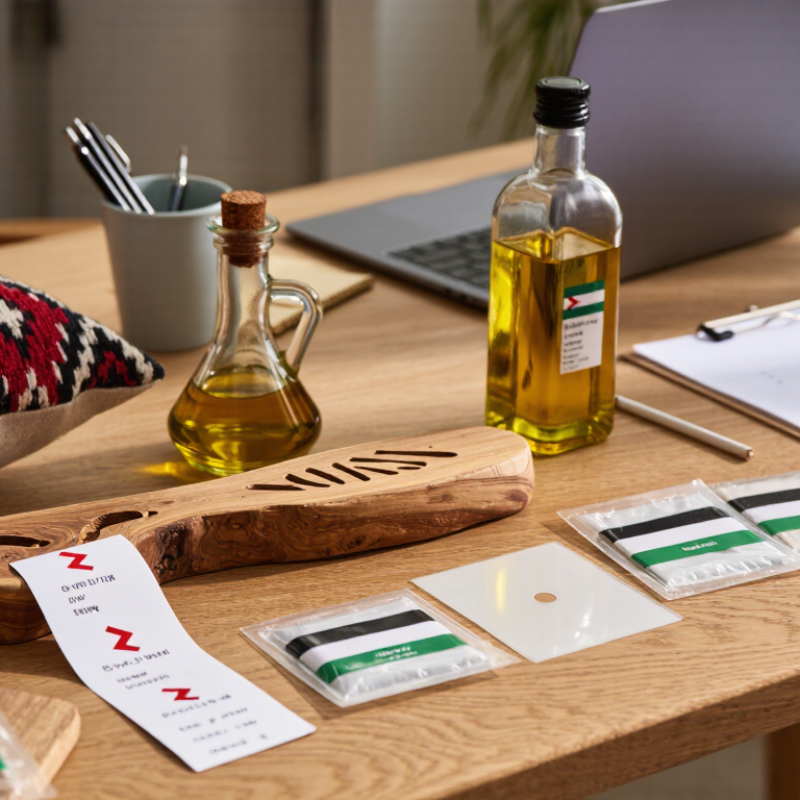
Sourcing palestinian products wholesale begins with more than a price list. Buyers need to understand who made each item, where its materials came from, and how supply can be maintained. A hand-stitched cushion, a bottle of olive oil, and a carved olive-wood keepsake each require different checks. Ask for product specifications, sample lead times, minimum order quantities, and clear packaging details. Small details matter. A sample that arrives with inconsistent stitching or unclear labeling can reveal gaps before a larger order.

Reliable sourcing also depends on respectful, direct communication. Request current business documents and product records, confirm payment and shipping terms in writing, and check that claims about origin are supported by documentation. Build time for samples and careful review into your schedule. Trade routes and production capacity may change; do not assume every supplier can fulfill repeat orders at the same pace. This guide uses an explicitly fictional expert voice, not a verified quotation: “Good sourcing starts with questions you can check, not promises you can only repeat,” says fictional sourcing adviser Nadia Darwish. Treat that line as editorial, not as a real person’s recorded statement.

The sections ahead explain how to identify suitable suppliers, assess product quality, compare wholesale terms, and plan orders responsibly. They also point to a useful caution: a polished catalog is not proof of consistent production. Ask for evidence, keep records, and leave room to reconsider. The best sourcing plan is practical, transparent, and grounded in what a supplier can demonstrate.
How to Source Palestinian Products Wholesale

Define the Palestinian Products and Wholesale Requirements

Defining Palestinian products begins with a clear product scope. Wholesale buyers should specify whether they need olive oil, dates, herbs, soap, ceramics, or embroidered goods. Each category requires different checks. Food items need ingredient lists, harvest dates, shelf-life details, and suitable storage conditions. Handcrafted goods need dimensions, materials, finishing standards, and acceptable variation. Small differences may be part of the craft, not a defect.

Be precise about wholesale requirements. State the target quantity, minimum order volume, packaging format, labeling language, delivery location, and preferred shipping terms. Ask suppliers for proof of origin, batch records, food safety documents, and export paperwork where applicable. Confirm that labels meet the destination market’s rules. Do not rely on photographs alone. A sample shipment can reveal oil sediment, uneven stitching, cracked glaze, or weak cartons.

Quality control should be practical and repeatable. Use a written inspection checklist before placing a larger order. Check color, weight, seals, moisture, and product count. For food products, request laboratory testing when risk or regulation requires it. Traceability matters. Every carton should connect to a batch, supplier, and production date. My own planning can still be imperfect; estimated demand often changes after the first shipment. Leave room for seasonal supply, customs delays, and packaging adjustments. Clear definitions protect both sides and make supplier comparisons more reliable.

Identify Palestinian Producers, Cooperatives, and Exporters

How to Source Palestinian Products Wholesale

Identify Palestinian Producers, Cooperatives, and Exporters

Wholesale sourcing should begin with the producer, not a trading list. Search agricultural cooperatives, women-led craft groups, family farms, and registered exporters through Palestinian trade directories and local chambers. PCBS national accounts for 2023 placed agriculture, forestry, and fishing at roughly 6% of economic output. That figure shows the sector’s importance, but not every producer can meet export volumes. Ask for monthly capacity, harvest dates, packaging formats, and previous shipment records.

Olive oil, dates, herbs, stone products, and embroidered goods require different checks. FAOSTAT identifies olives and dates as important Palestinian agricultural products, while international trade data classify them under separate HS codes. Verify the exact code before comparing prices. Request laboratory analysis for food products, including acidity, moisture, pesticide residues, and shelf life. For crafts, inspect stitching, fabric weight, dimensions, and color consistency. Small samples reveal uncomfortable truths.

Exporters should provide commercial invoices, packing lists, certificates of origin, and transport documents. Confirm who owns the goods and who controls final packing. The International Trade Centre recommends using structured trade data and product classifications when assessing suppliers. Keep those records. A cooperative may offer better traceability, but its output can change during a difficult harvest. Build a backup supplier, and state quality tolerances in writing. That detail is easy to skip. It is also where many wholesale disputes begin.

Verify Supplier Credentials and Product Origin

How to Source Palestinian Products Wholesale

Verify Supplier Credentials and Product Origin

Reliable sourcing begins with supplier verification, not attractive product photos. Request the company’s registration documents, business address, tax details, and export history. Check whether the legal name matches every invoice and payment document. A polished website is not proof.

Ask for clear evidence of product origin. This may include producer statements, purchase records, batch numbers, packaging photographs, and transport documents. Compare the stated production location with the actual facility address. A video call can help, but it should not replace independent checks. Visit the site when practical, or use a qualified local inspection service.

Request product samples before placing a large order. Examine labels, materials, measurements, and packaging consistency. For food, cosmetics, or agricultural goods, review applicable safety certificates and laboratory reports. Confirm that documents are current and issued by recognized authorities. Import rules may differ by destination, so obtain professional customs advice before shipping.

I have learned that small inconsistencies matter. A missing date may be harmless, or it may reveal weak recordkeeping. Ask calm, specific questions and keep written answers. Avoid suppliers who resist reasonable verification or pressure you to pay quickly. My process is not perfect, and documents can still require interpretation. Careful buyers should review evidence repeatedly, especially when the supplier, product, or route is unfamiliar.

How to Source Palestinian Products Wholesale – Verify Supplier Credentials and Product Origin

Due Diligence Area What to Request or Check Useful Evidence Wholesale Buyer Action
Supplier identity and legal status Confirm the supplier’s legal name, registered address, business activity, and authority to sell or export the goods. Current business registration or equivalent official record; matching details on the quotation, invoice, and contract. Check documents with the relevant issuing authority where possible. Ensure the contracting party and payment beneficiary are consistent or independently explained.
Product origin Establish where each product was grown, harvested, produced, or substantially transformed. Do not rely on a general “Palestinian products” description. Product-specific origin declaration; producer details; production or harvest records; batch or lot references. Verify origin for each product and shipment. Ask how the supplier distinguishes Palestinian origin from packing, processing, or transit locations.
Certificates of origin Ask whether a certificate is required for the destination market and whether the proposed issuer is authorized to issue it. Certificate of origin, when applicable, matched to the shipment and commercial documents. Confirm destination-country requirements with customs authorities or a qualified customs broker before placing the order. A certificate alone may not prove every production claim.
Product and batch traceability Check whether the supplier can link goods to a named producer, production site, harvest period, and lot. Batch records, packing lists, production records, and traceability documents with consistent lot identifiers. Request a sample traceability record before ordering and require the lot reference on shipment documents where feasible.
Product-specific examples For olive oil, ask for harvest, extraction, and lot information. For dates, ask for harvest and packing details. For textiles or crafts, ask where materials and manufacturing steps originate. Relevant production records and product specifications; laboratory or conformity reports when required for the product or market. Assess evidence against the actual product and applicable regulations. Avoid treating a product category or place name as proof of origin.
Food safety and compliance Identify the rules that apply to the product and intended destination, including labeling, ingredients, allergens, and import controls. Product specification, ingredient and allergen information, test reports or health documents where legally required. Confirm current requirements with the destination-market regulator or customs broker. Check that labels and documents describe the goods consistently.
Supplier capacity and quality controls Assess whether the supplier can meet the requested volume, quality grade, packaging, and delivery schedule. Written specification, recent product samples, quality-control procedures, and a confirmed production or stock plan. Agree measurable acceptance criteria, inspection arrangements, and remedies for non-conforming goods before paying a deposit.
Commercial and shipping documents Review the proposed terms, shipment route, export documentation, insurance responsibilities, and payment schedule. Pro forma invoice, sales contract, packing list, transport documents, and insurance details as applicable. Match product descriptions, quantities, origin statements, and parties across documents. Confirm trade terms and import responsibilities in writing.
Payment and risk checks Evaluate whether payment instructions are consistent with the verified contracting party and whether the proposed method offers suitable protection. Written payment terms, verified beneficiary details, and references that can be checked independently. Use a documented payment process, verify any bank-detail changes through a separate trusted channel, and avoid relying solely on unverifiable references.

Important: Requirements for origin, export, food safety, labeling, and customs documentation vary by product and destination. Verify current rules with the relevant authorities or a qualified customs professional before purchasing. Product origin should be established shipment by shipment using consistent, product-specific evidence.

Review Pricing, Shipping, and Import Requirements

Wholesale pricing should start with a landed-cost sheet, not the supplier’s unit price. Record product cost, packing, inland transport, freight, insurance, customs duties, and destination taxes. Ask suppliers for carton dimensions and gross weight; a light but bulky carton can cost more to ship than expected. Confirm the product’s HS code with a customs broker, then check the importing country’s tariff schedule. Rates depend on product classification and destination, so estimates from a supplier may not match the final customs assessment.

Small detail, big difference.

Shipping quotes need dates, routes, and Incoterms. Compare quotes on the same basis, and ask whether they include port handling, delivery, and customs clearance.

UNCTAD’s Review of Maritime Transport 2024 reported that global container spot rates had risen sharply by mid-2024, with the Shanghai Containerized Freight Index up about 150% from late 2023 levels. That is not a quote for a Palestinian shipment, but it shows why old freight estimates can mislead.

For shipments from Palestine, verify the available route, transit time, documentation, and current carrier arrangements directly with the freight forwarder. Import requirements also vary by destination and product. Check origin documentation, labeling rules, and any required certificates before paying a deposit. I would still keep a contingency in the budget; paperwork and transit delays are easy to underestimate.

Negotiate Terms and Place a Wholesale Order

Negotiating a wholesale order for Palestinian products works best when every detail is written down. Start with a clear product specification: material, dimensions, finish, packaging, and acceptable variation. A handwoven item, for example, may show small differences in color or pattern. Agree on what counts as normal variation before approving production. Ask for a sample and confirm that the bulk order will follow it. Small details matter.

Discuss the minimum order quantity, unit price, payment schedule, production time, and shipping method together. Request a dated quotation and check whether prices include packing, freight, or other charges. Confirm the delivery address, shipping documents, and who handles each step. Requirements can vary by destination, so check current import procedures with a qualified logistics provider. Don’t rely on a vague promise. For a first order, consider a manageable quantity and set a written inspection process before the balance is paid. Keep messages, approved samples, and invoices in one file. If a deadline feels too optimistic, ask for a realistic production calendar; I would rather revise a date than explain a missed shipment later.

Article Source:

This website uses cookies to ensure you get the best experience on our website