Top Tips for Sourcing Luxury Leather Bags Worldwide?
Sourcing luxury leather bags worldwide requires a keen eye and careful consideration. With a myriad of options available, knowing where to start can be challenging. Each region has unique offerings, from Italian craftsmanship to Brazilian exotic leathers. Understanding these specialties enhances the sourcing process.
Quality is paramount when investing in luxury leather bags. Authenticity and craftsmanship impact value greatly. It's essential to study the market trends and consumer preferences. This knowledge can inform better purchasing decisions, making it easier to select timeless pieces that resonate with buyers.
While there are numerous strategies for sourcing, mistakes can happen. Perhaps a trusted supplier turns out to be unreliable. Reflecting on these experiences is vital for personal growth in the luxury leather bag industry. Knowledge gained from challenges shapes future decisions, leading to more fruitful endeavors.
Understanding the Luxury Leather Bag Market Dynamics
The luxury leather bag market is fascinating yet complex. In 2022, it was valued at approximately $64 billion and is projected to reach nearly $100 billion by 2026, according to a report by Research and Markets. Demand is growing due to increased disposable income and a focus on quality.
In this landscape, sourcing luxury leather bags requires a deep understanding of consumer trends. High-quality craftsmanship and sustainable practices are essential. A study by Bain & Company indicates that 70% of luxury consumers prefer brands that prioritize sustainability. However, this presents challenges for suppliers. Distinguishing genuine products from counterfeits remains a pressing concern.
Additionally, geographical variations play a crucial role in sourcing strategies. Different regions specialize in unique leather types and production techniques. Sourcing from Italy may emphasize artisanal craftsmanship, while sourcing from Asia often involves lower costs. Balancing quality and cost is a continual process for businesses. This dynamic nature requires adaptability and constant market research.
Identifying Reputable Sources for Luxury Leather Bags
When sourcing luxury leather bags, identifying reputable sources is crucial. Start by researching established artisans and producers. Seek out workshops that have a long history of craftsmanship. Look for reviews and testimonials from previous customers. These hints provide a glimpse of authenticity.
Networking with industry professionals can yield valuable contacts. Attend trade shows or leather fairs to connect directly. Engage with artisans and ask questions about their processes. Pay attention to their responses. The quality of their materials and techniques reflects their dedication.
Be wary of online marketplaces that lack transparency. Check for certification and authenticity guarantees. Explore social media platforms to find trusted sources. Engage in conversations about their practices. This fosters relationships and builds trust. Remember, not every source is as perfect as it seems. Take your time and do the necessary research.
Evaluating Quality: Key Characteristics of Luxury Leather
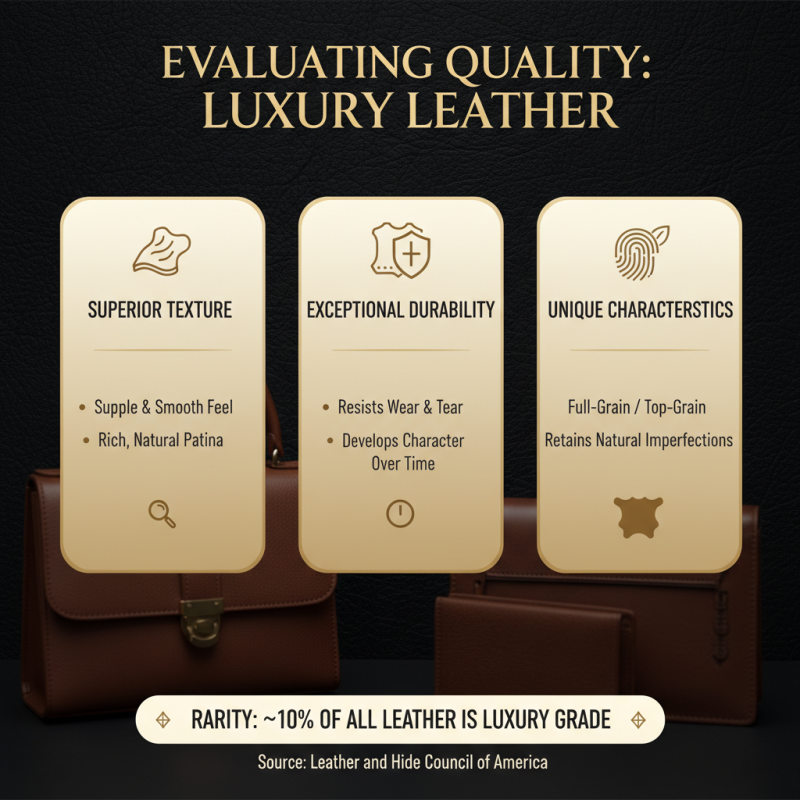
When sourcing luxury leather bags, understanding quality is essential. Luxury leather exemplifies elegance through its superior texture and durability. Notably, high-quality leather, such as full-grain or top-grain, retains natural imperfections, enhancing its uniqueness. A study by the Leather and Hide Council of America highlights that only around 10% of leather produced is classified as luxury grade. This rarity aids in maintaining its premium status.
One key characteristic of luxury leather is the sourcing process. Ethical practices significantly influence quality. A survey from Statista found that 75% of consumers prioritize sustainable materials in luxury goods. Examining the tanning process is vital too. Natural tanning methods yield softer, more breathable leather. In contrast, chemical tanning can compromise the leather’s integrity over time.
Also, pay attention to the stitching. Hand-stitching often indicates a higher quality than machine-made. Luxury bags often feature tight, even stitches, suggesting meticulous craftsmanship. The inside should be lined with premium materials like suede or silk. These choices reflect the overall luxury proposition. A bag may look sophisticated but may fall short in longevity if details are overlooked.
Negotiating Prices and Terms with Suppliers
Negotiating prices and terms with suppliers is crucial when sourcing luxury leather bags. Understanding your supplier's market position can make a significant difference. Research various suppliers and evaluate their offerings. Know the average price range for similar products. This knowledge empowers you to propose fair terms.
Clear communication is key during negotiations. Use simple language and be transparent about your needs. Ask specific questions about customization, bulk discounts, and shipping costs. Listening is just as vital. Suppliers appreciate when you express interest in their capabilities. This can lead to better offers.
Consider cultural differences in negotiation styles. Be respectful and patient. Some suppliers may take time to respond. If a proposal doesn't meet your expectations, don’t hesitate to counteroffer. This process may feel daunting, especially if you're new to it. Reflecting on past negotiations can help identify strategies that worked or didn’t. Adaptability is essential, as each negotiation is unique.
Ensuring Ethical Sourcing Practices in Leather Production
When sourcing luxury leather bags, ethical practices should be a priority. The leather industry often raises environmental and ethical concerns. Sustainable sourcing methods can address these issues responsibly.
Start by researching suppliers who prioritize animal welfare and environmental impact. Transparency is crucial. Seek partners who disclose their tanning processes and supply chain activities. There are often trade-offs; more sustainable options may involve higher costs but ensure better practices.
Consider the environmental footprint of leather production. Look for tanneries that utilize natural dyes and recycle water. Not all suppliers follow these standards, so diligence is key. A source may claim to be ethical but could lack adherence to these essential practices. Regular audits and third-party certifications can help verify claims.
Top Tips for Sourcing Luxury Leather Bags Worldwide - Ensuring Ethical Sourcing Practices in Leather Production
| Tip |
Description |
Ethical Considerations |
Sourcing Locations |
| Research Material Sources |
Identify and verify the sources of leather to ensure quality and sustainability. |
Ensure materials are sourced from environmentally friendly tanneries. |
Italy, Argentina |
| Vet Suppliers |
Conduct thorough background checks on suppliers to assess their ethical practices. |
Look for certifications such as Fair Trade or Leather Working Group. |
Turkey, Spain |
| Inspect Production Processes |
Regular audits of factories to ensure compliance with labor and environmental standards. |
Commit to transparency in production processes. |
China, India |
| Prioritize Animal Welfare |
Ensure that animals are treated ethically and follow humane practices in sourcing leather. |
Engage with suppliers who adhere to strict animal welfare standards. |
Brazil, New Zealand |
| Sustainable Design Practices |
Incorporate sustainable practices in the design and production of leather bags. |
Use eco-friendly dyes and materials. |
France, Portugal |